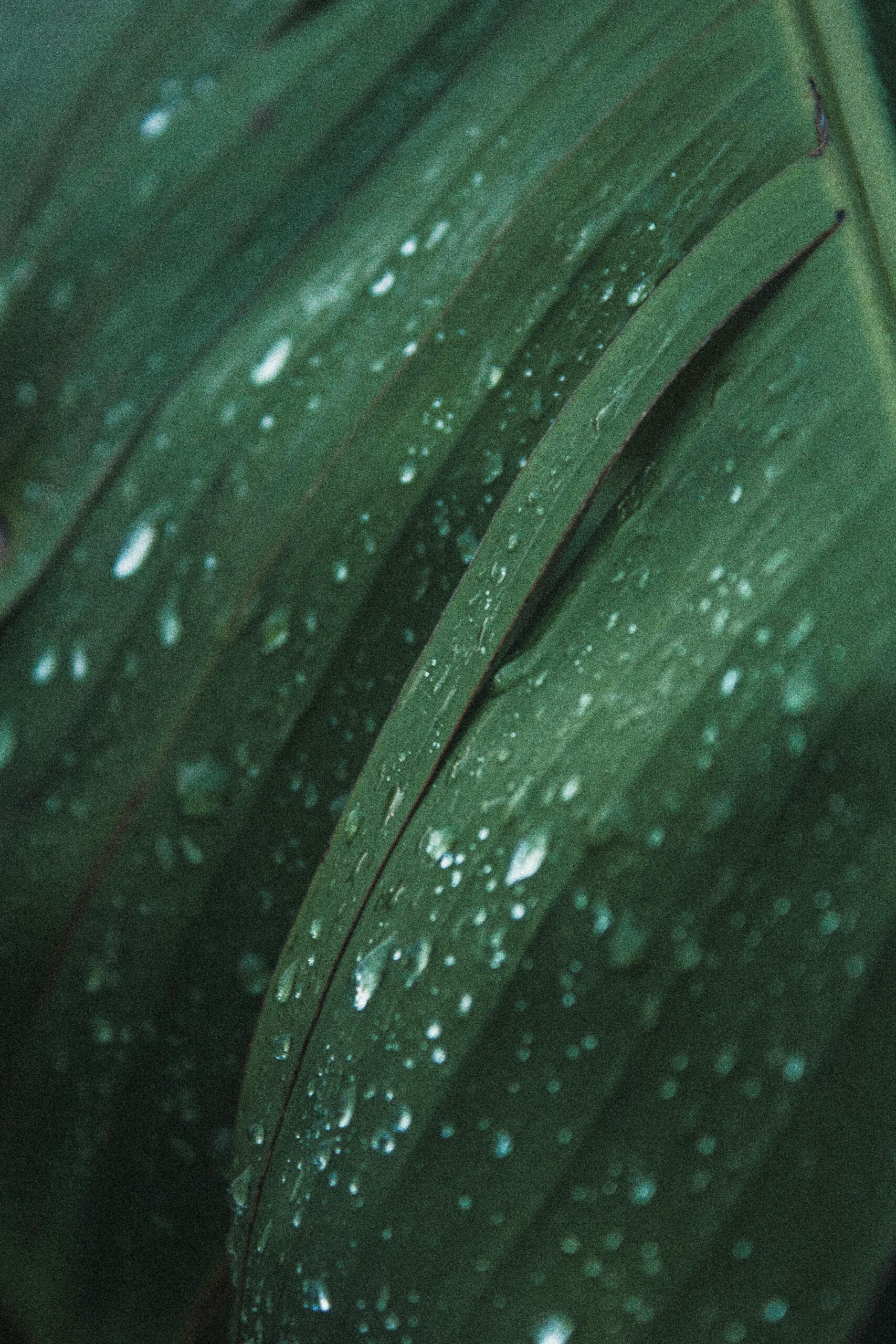
Nature photography is one of the most beautiful ways to slow down, observe the world, and capture the quiet magic that often goes unnoticed.
A flower opening toward the light. A bird resting on a branch. The soft movement of leaves in the wind. The texture of moss, stone, water, or clouds. Nature is full of tiny details and powerful landscapes, and photography gives us a way to preserve those moments.
But taking beautiful nature photos is not only about having the best camera. It is about learning how to see. It is about patience, timing, light, composition, and developing your own creative eye.
Whether you are photographing flowers, forests, beaches, mountains, plants, wildlife, or small natural details, these are some of the best ways to shoot nature photography with more intention and beauty.
1. Pay Attention To Natural Light
Light can completely change the feeling of a nature photo.
One of the best times to shoot nature photography is during golden hour, which happens shortly after sunrise or before sunset. During this time, the light is softer, warmer, and more flattering. It can make leaves glow, flowers look delicate, and landscapes feel dreamy and cinematic.
Midday light can be harsh, especially when the sun is directly overhead. It can create strong shadows and washed out colors. But that does not mean you cannot shoot during the day. You just have to look for shade, clouds, interesting shadows, or details that work well with stronger light.
Overcast days are also beautiful for nature photography. Cloudy skies act like a giant softbox, creating even light that is perfect for photographing flowers, plants, textures, and close up details.
A simple tip: before taking the photo, look at how the light is touching your subject. Is it soft? Is it creating shadows? Is it coming from behind, from the side, or directly above? Once you start noticing light, your photos will instantly become stronger.
2. Slow Down And Observe First
Nature photography rewards patience.
Before you start taking photos, take a few minutes to simply observe your surroundings. Look at the colors, textures, movement, shapes, shadows, and small details around you.
Sometimes the best photo is not the obvious wide landscape in front of you. It may be a single leaf glowing in the sunlight, a flower bending in the wind, a reflection in water, or a small pattern in tree bark.
Slowing down helps you notice what others might walk past.
Instead of rushing to take hundreds of photos, ask yourself:
What is drawing my attention here?
What emotion does this place or subject create?
What detail feels most interesting?
How can I capture this in a way that feels personal?
Nature photography becomes more powerful when it is not only about documenting what you see, but also expressing how it feels.
3. Use Composition To Guide The Eye
Composition is how you arrange everything inside your photo. A strong composition helps your viewer know where to look.
One of the easiest composition tools is the rule of thirds. Imagine your frame divided into three equal sections both horizontally and vertically. Placing your subject slightly off center can often make the photo feel more natural and visually interesting.
But rules are only starting points. You can also use:
Leading lines such as paths, rivers, branches, shorelines, or shadows to guide the eye through the photo.
Framing by using trees, leaves, flowers, rocks, or branches around your subject.
Negative space to create a calm, minimal feeling.
Symmetry when photographing reflections, patterns, or balanced landscapes.
Layers by including foreground, middle ground, and background elements to create depth.
When you are photographing nature, try moving around your subject. Shoot from above, below, close up, far away, and from the side. A small shift in angle can make a huge difference.
4. Get Closer To The Details
Nature is full of beautiful details.
Close up photography can reveal textures and patterns we do not always notice with the naked eye. Flower petals, water droplets, leaves, mushrooms, feathers, sand, bark, stones, and insects can all become powerful subjects.
You do not always need a macro lens to start. You can use the lens you already have and simply move closer, as long as your camera can still focus. Many phones also have close up or macro options.
When shooting close up nature photography, pay attention to your background. A clean, simple background can help your subject stand out. If the background feels too busy, try changing your angle or using a wider aperture to blur it.
A wider aperture, such as f/2.8, f/4, or f/5.6, can create a soft background and dreamy depth of field. This works beautifully for flowers, plants, and small details.
5. Learn Basic Camera Settings
You do not have to be overly technical to take beautiful nature photos, but understanding a few basic settings can help you get more creative control.
Aperture controls how much of the image is in focus. A lower number, like f/2.8, creates a blurry background. A higher number, like f/11, keeps more of the scene sharp.
Shutter speed controls motion. A faster shutter speed freezes movement, which is helpful for wildlife, moving leaves, birds, or waves. A slower shutter speed can create soft motion blur, especially with water or clouds.
ISO controls light sensitivity. A lower ISO gives cleaner images, while a higher ISO helps in darker settings but can add grain or noise.
For landscapes, you may want a smaller aperture like f/8 to f/11 so more of the scene stays sharp. For flowers or close ups, a wider aperture can create a softer, more artistic look.
If you are still learning, aperture priority mode can be a great place to start. It lets you choose the aperture while the camera helps with the rest.
6. Watch Your Background
A beautiful subject can get lost if the background is distracting.
Before pressing the shutter, look at everything inside the frame. Are there bright spots pulling attention away? Are there branches cutting through your subject? Is the background too cluttered?
Sometimes all you need to do is move a few inches to the left or right. You can also crouch lower, shoot upward, or get closer to your subject to simplify the background.
For flower and plant photography, this matters a lot. A clean background can make the photo feel peaceful, elegant, and professional.
One of my favorite ways to create stronger nature photos is to look beyond the subject itself and ask: what is happening around it?
7. Capture Movement In Nature
Nature is always moving.
Wind, water, clouds, birds, insects, trees, and light are constantly shifting. Instead of fighting that movement, you can use it creatively.
A fast shutter speed can freeze motion, like a bird in flight or a wave crashing. A slower shutter speed can create a soft, flowing effect, especially with waterfalls, rivers, ocean water, or tall grass moving in the wind.
For slower shutter speeds, you may need a tripod to keep the image steady. This is especially helpful for landscape photography, low light photography, and long exposure shots.
Movement can add emotion to your images. It can make a photo feel alive.
8. Be Patient With Wildlife
If you are photographing birds, animals, butterflies, insects, or other wildlife, patience is everything.
Move slowly. Stay quiet. Keep a respectful distance. Let the animal behave naturally instead of trying to force the moment.
A zoom lens can help you capture wildlife without disturbing it. It is also important to avoid feeding, chasing, or stressing animals for the sake of a photo.
The best wildlife images often happen when the subject feels undisturbed. You get to capture real behavior, real movement, and real moments.
Nature photography should always honor the life you are photographing.
9. Use Weather To Create Mood
Do not wait only for perfect sunny days.
Weather can add drama, softness, mystery, and emotion to your photos.
Fog can make forests feel magical. Rain can create reflections and rich colors. Clouds can add texture to the sky. Wind can create movement. Stormy skies can make landscapes feel powerful and cinematic.
Different weather creates different moods.
A beach on a bright sunny day feels completely different from a beach under dark clouds. A flower after rain feels different from a flower in dry afternoon sun.
If you want your nature photography to feel more emotional and artistic, learn to work with weather instead of avoiding it.
10. Edit With Intention
Editing is part of the creative process.
You do not need to over edit your photos, but thoughtful adjustments can help bring out what you felt when you took the image. You might adjust exposure, contrast, highlights, shadows, color temperature, sharpness, or crop.
The key is to edit in a way that supports the mood of the photo.
For soft nature photography, you may want gentle contrast and warm tones. For moody landscapes, you may want deeper shadows and richer colors. For flowers, you may want to enhance texture and natural color without making them look unrealistic.
A good edit should not distract from the image. It should help the photo feel more complete.
11. Tell A Story With Your Photos
The strongest nature photos often feel like they are telling a quiet story.
A single tree in an open field can feel lonely, peaceful, or powerful. A flower growing through a crack can feel like resilience. A bird in flight can feel like freedom. A path through the woods can feel like mystery or invitation.
When you photograph nature, think beyond the object.
Ask yourself:
What does this image feel like?
What story is nature showing me here?
What emotion do I want the viewer to experience?
This is where photography becomes more personal. Anyone can photograph a flower, but only you can photograph it through your own perspective.
12. Practice Often And Build Your Eye
The best way to improve your nature photography is to practice consistently.
You do not need to travel somewhere dramatic to take beautiful photos. You can practice in your backyard, a nearby park, your neighborhood, a beach, a garden, or even with plants inside your home.
The more you photograph nature, the more you begin to notice details, light, patterns, and compositions naturally.
Over time, your eye becomes stronger. You start to understand what kind of nature photography you are drawn to. Maybe you love moody forests, colorful flowers, peaceful beaches, dramatic skies, tiny details, or dreamy plant photography.
Let your style develop naturally.
Final Thoughts
Nature photography is not only about capturing what is outside of you. It can also become a way to connect inward.
It teaches you to slow down. To notice. To observe light. To appreciate small details. To be present with the world around you.
The best nature photos often come from patience, curiosity, and a willingness to see beauty in simple places.
So take your camera outside. Follow the light. Look closer. Wait for the moment. Let nature guide you.
Because sometimes the most powerful photo is not the one you planned.
Sometimes it is the one you were quiet enough to notice.

Leave a Reply