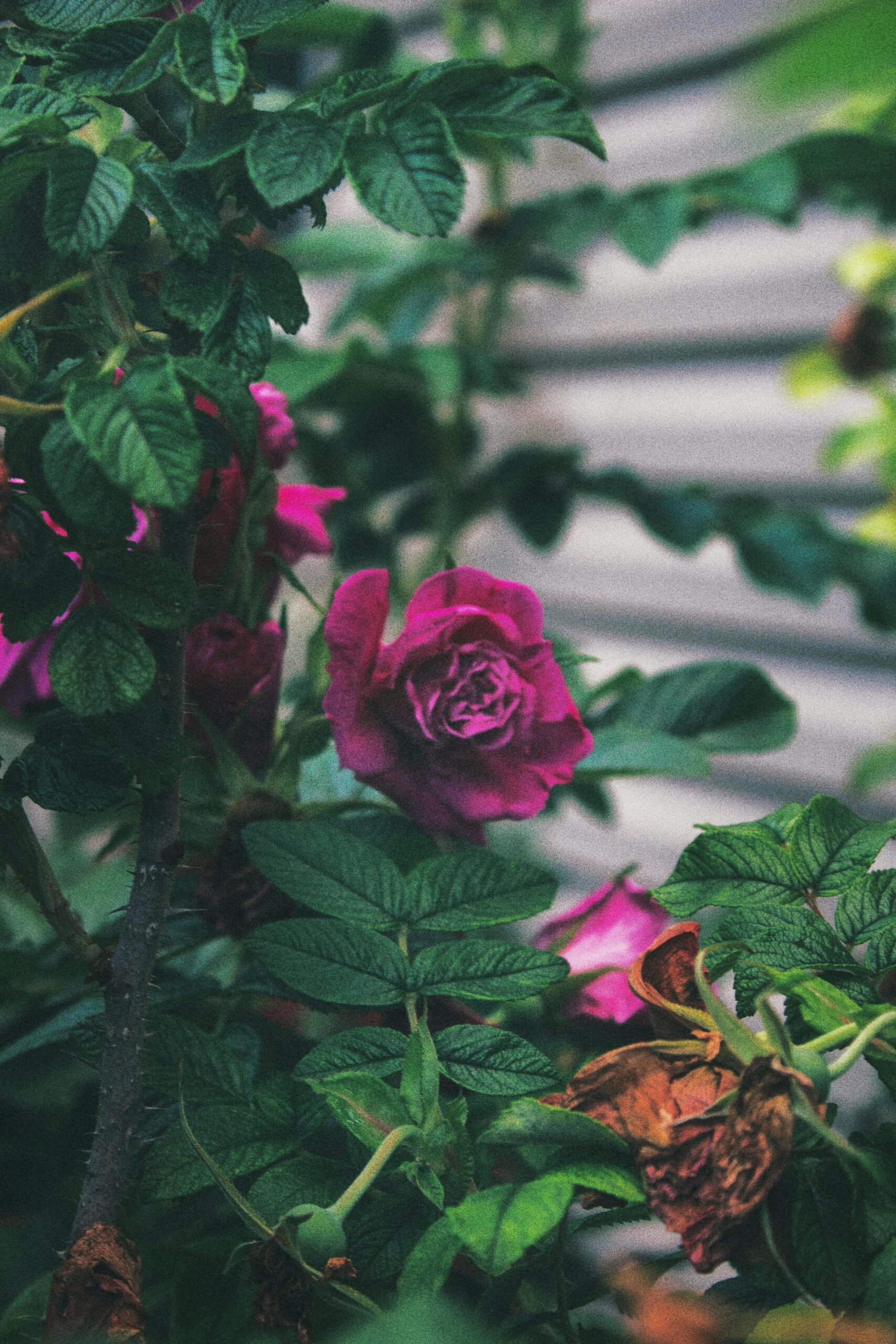
Nature photography is one of those creative practices that asks you to be both prepared and present.
One moment, you may be photographing a quiet flower in soft morning light. The next, a bird flies across the sky, a wave crashes at the perfect second, or the clouds open just enough to pour golden light across the landscape.
That is why choosing the right camera for nature photography matters.
But here is the truth: the “best” camera is not always the most expensive one. The best camera is the one that fits what you love to photograph, how you like to shoot, and how much gear you are actually willing to carry outside.
For nature photography, you want a camera that can handle beautiful detail, changing light, movement, weather, and outdoor conditions. Whether you love photographing flowers, forests, beaches, mountains, wildlife, insects, plants, or peaceful nature scenes, the right camera can help you capture the natural world with more clarity and creative control.
What Makes A Camera Good For Nature Photography?
Before choosing a specific camera, it helps to understand what features matter most.
For nature photography, look for:
Good image quality
Nature is full of small details: flower petals, tree bark, water texture, feathers, leaves, clouds, and light. A camera with strong image quality gives you more detail and flexibility when editing.
Strong autofocus
If you photograph wildlife, birds, butterflies, pets outdoors, or anything moving, autofocus becomes very important. A good autofocus system helps track your subject and keep it sharp.
Weather resistance
Nature does not always behave. Dust, mist, ocean spray, humidity, light rain, and changing temperatures are all part of outdoor photography. A weather resistant body can give you more peace of mind.
Good battery life
When you are outside for long walks, hikes, road trips, or sunrise shoots, battery life matters. You do not want your camera dying right when the light gets magical.
Lens options
The camera body is only part of the story. Lenses matter just as much, especially for wildlife, landscapes, macro, flowers, and close up details.
Size and weight
A heavy professional setup may give you incredible image quality, but if you never want to carry it, it will not help you much. For nature photography, portability is a real creative advantage.
1. Nikon Z8: Best Professional Camera For Wildlife And Landscapes
The Nikon Z8 is one of the strongest professional mirrorless cameras for serious nature photographers, especially if you want one camera that can handle wildlife, landscapes, birds, action, and high resolution files.
It has a 45.7 megapixel full frame sensor, subject detection for nine subject types, 3D tracking, pre release capture, and high speed shooting options. Nikon also lists 8.3K/60p RAW video and 4K/120p video, making it powerful for photographers who also want professional nature video. (Nikon)
This is a camera for someone who wants serious image quality and speed. It is especially helpful for birds, wildlife, dramatic landscapes, and large prints.
Best for: wildlife, birds, landscapes, professional nature work, large prints, hybrid photo and video creators.
Possible downside: It is expensive and may be more camera than a beginner needs.
2. Canon EOS R5 Mark II: Best High End Canon Camera For Nature Photography
The Canon EOS R5 Mark II is a powerful choice for Canon photographers who want a high end camera for nature, wildlife, landscapes, and video.
Canon lists the EOS R5 Mark II with a 45 megapixel full frame back illuminated stacked sensor, up to 30 fps electronic shutter shooting, upgraded autofocus features, Action Priority mode, and in camera 8K 60p RAW video. (Canon U.S.A.)
This camera makes sense for nature photographers who want high resolution images but also need speed for movement. That combination is beautiful for wildlife, birds, ocean waves, flowers moving in the wind, and dramatic outdoor scenes where timing matters.
Best for: Canon users, professional nature photography, wildlife, landscapes, high resolution creative work, photo and video.
Possible downside: It is a premium camera, so it may not be the most practical first camera.
3. OM SYSTEM OM-1 Mark II: Best Lightweight Camera For Wildlife And Bird Photography
The OM SYSTEM OM-1 Mark II is a very interesting camera for nature photographers because it is built with outdoor and wildlife shooters in mind.
OM SYSTEM describes the OM-1 Mark II as purpose built for bird photography, with intelligent AI Detection AF that can lock onto birds in flight. It also offers 50 fps AF/AE burst shooting, 120 fps fixed AF shooting, and a blackout free EVF, which can be helpful when tracking fast subjects. (OM SYSTEM)
Because it uses a smaller Micro Four Thirds sensor, it can give photographers more reach with smaller lenses compared to many full frame setups. That is a big deal if you want to photograph birds, wildlife, or nature while hiking without carrying a giant bag of gear.
Best for: bird photography, wildlife, hiking, travel, lightweight nature setups, handheld outdoor shooting.
Possible downside: Full frame cameras usually have an advantage in very low light and extreme high ISO situations.
4. Fujifilm X-T5: Best Camera For Artistic Nature, Flowers, And Travel
The Fujifilm X-T5 is a beautiful choice for photographers who love nature, flowers, plants, landscapes, travel, and creative outdoor storytelling.
It has a 40.2 megapixel X-Trans CMOS 5 HR sensor, 5 axis in body image stabilization with up to 7 stops of compensation, subject detection autofocus, and a lightweight body. Fujifilm also notes that the X-T5 has 56 weather sealed points for dust and moisture resistance and can operate in temperatures as low as 14°F. (Fujifilm X)
This camera is especially appealing if you love color, mood, and a more artistic shooting experience. Fujifilm’s film simulations are also popular with photographers who want beautiful color straight out of camera.
Best for: flowers, landscapes, travel, fine art nature photography, creative outdoor photography, color rich images.
Possible downside: It is APS-C, so full frame may still be preferred by photographers who need maximum low light performance.
5. Sony A7 V: Best Full Frame Hybrid Camera For Nature And Video
The Sony A7 V is a strong full frame hybrid option for nature photographers who also care about video.
Sony lists the A7 V with advanced AI subject recognition, blackout free continuous shooting up to 30 fps with full AF/AE tracking, and up to 7.5 step central stabilization for handheld shooting. (Sony India)
This makes it a good fit for someone who wants to capture landscapes, details, wildlife, travel scenes, and nature video with one camera system. Sony also has a large lens ecosystem, which gives photographers many options for wide angle landscapes, telephoto wildlife, macro details, and everyday outdoor shooting.
Best for: hybrid photo and video creators, travel nature photography, landscapes, wildlife, full frame image quality.
Possible downside: Sony menus and controls can take time to learn if you are new to the system.
6. Canon EOS R7: Best APS-C Canon Camera For Wildlife If You Can Find It
The Canon EOS R7 has been a popular APS-C choice for wildlife and nature photography because it offers strong telephoto reach in a relatively compact body.
Canon lists the EOS R7 with a 32.5 megapixel APS-C sensor, 15 fps mechanical shutter, up to 30 fps electronic shutter, Dual Pixel CMOS AF, and in body image stabilization up to 7 stops with coordinated control IS. (Canon U.S.A.)
The APS-C crop factor can be helpful for wildlife because it gives your lenses a tighter field of view, which can make distant birds and animals appear closer in the frame.
Best for: Canon wildlife photography, birds, outdoor action, budget conscious enthusiasts, photographers who want extra reach.
Possible downside: Availability may vary depending on retailer, so check current stock before planning your whole camera system around it.
7. Canon EOS R10: Best Beginner Camera For Nature Photography
The Canon EOS R10 is a good beginner friendly camera for someone who wants to start taking better nature photos without jumping straight into a professional setup.
Canon describes the EOS R10 as having a 24.2 megapixel APS-C sensor, 15 fps mechanical shutter, and fast autofocus in a lightweight design. (Canon U.S.A.)
This camera can work well for flowers, parks, travel, simple landscapes, beginner wildlife, and everyday outdoor photography. It is also a nice step up from a phone because you can start learning lenses, manual settings, depth of field, and more creative control.
Best for: beginners, hobby photographers, travel, flowers, everyday nature photography, learning photography.
Possible downside: It is not as rugged or advanced as higher end wildlife and landscape cameras.
8. Nikon Z5II: Best Affordable Full Frame Camera For Nature Photography
The Nikon Z5II is worth considering if you want full frame image quality without going straight into the highest price range.
Nikon describes the Z5II as having a 24.5 megapixel full frame sensor, which it positions as useful for large prints and fine textures like foliage, rock, and water. (Nikon)
This could be a strong option for landscape photography, peaceful nature scenes, travel, flowers, and still subjects. Full frame can also be helpful when working in softer light, shaded forests, sunrise, sunset, and moody natural conditions.
Best for: landscapes, travel, nature details, full frame beginners, peaceful outdoor photography.
Possible downside: If wildlife and fast birds are your main focus, a faster action focused camera may be better.
How To Choose The Best Camera For Your Type Of Nature Photography
If you mostly photograph landscapes, prioritize resolution, dynamic range, weather sealing, and good wide angle lens options. The Nikon Z8, Canon EOS R5 Mark II, Fujifilm X-T5, and Nikon Z5II are all strong choices depending on budget.
If you mostly photograph birds and wildlife, prioritize autofocus, burst speed, telephoto lens options, and subject detection. The Nikon Z8, OM SYSTEM OM-1 Mark II, Canon EOS R5 Mark II, and Canon EOS R7 are especially worth looking at.
If you mostly photograph flowers, plants, and close up details, you do not necessarily need the fastest camera. Look for beautiful color, good image quality, stabilization, and access to macro lenses. The Fujifilm X-T5, Canon EOS R10, Nikon Z5II, and Sony A7 V can all work beautifully.
If you mostly photograph travel and hiking, pay attention to weight. A camera that is smaller and easier to carry may help you create more consistently. The Fujifilm X-T5, OM SYSTEM OM-1 Mark II, Canon EOS R10, and Nikon Z5II are all more practical than carrying a huge professional kit everywhere.
If you want to create both photos and videos, look closely at video specs, stabilization, autofocus, and lens options. The Sony A7 V, Canon EOS R5 Mark II, Nikon Z8, and Fujifilm X-T5 are strong hybrid options.
Do You Need A Full Frame Camera For Nature Photography?
No, you do not need a full frame camera to take beautiful nature photos.
Full frame cameras can be wonderful for image quality, low light, dynamic range, and shallow depth of field. But APS-C and Micro Four Thirds cameras can also produce beautiful work, especially when paired with good lenses and strong light.
For wildlife, smaller sensor cameras can even be helpful because they give you more apparent reach with telephoto lenses. For hiking and travel, smaller camera systems can also be easier to carry.
So instead of asking, “Do I need full frame?” ask:
What do I photograph most?
How much gear do I want to carry?
Do I need speed, resolution, portability, or low light performance?
What lenses can I afford for this camera system?
The lens system matters just as much as the camera body.
Best Lenses To Pair With A Nature Photography Camera
Once you choose a camera, think about the lenses you will need.
For landscapes, a wide angle zoom is helpful. Something in the range of 14mm to 35mm on full frame, or the equivalent on APS-C and Micro Four Thirds, can help you capture wide skies, mountains, beaches, forests, and scenic views.
For wildlife, a telephoto lens is essential. Many photographers look for lenses in the 100mm to 500mm or 150mm to 600mm range, depending on the camera system.
For flowers and macro photography, a macro lens is one of the best investments. It lets you photograph petals, textures, insects, leaves, water droplets, and small details with more clarity.
For travel nature photography, a lightweight zoom can be useful because it lets you move quickly without constantly changing lenses.
Final Thoughts
The best camera for nature photography is the one that helps you notice, explore, and capture the natural world in your own way.
If you want professional wildlife and landscape performance, the Nikon Z8 and Canon EOS R5 Mark II are powerful choices. If you want a lightweight wildlife setup, the OM SYSTEM OM-1 Mark II is worth serious attention. If you love flowers, travel, color, and artistic nature work, the Fujifilm X-T5 is a beautiful option. If you want a beginner friendly camera, the Canon EOS R10 is a practical place to start.
But remember, the camera is only one part of the image.
Light matters. Patience matters. Composition matters. Your eye matters.
A great camera can help you capture more detail, but your perspective is what gives the photo life.
So choose a camera that fits your creative style, take it outside often, and let nature teach you how to see.


Leave a Reply